EN − EUR

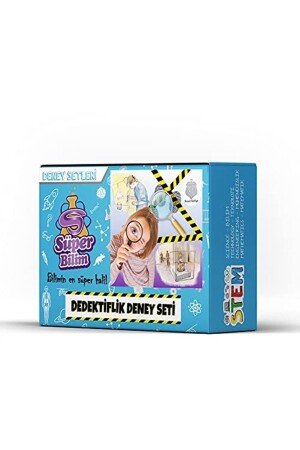
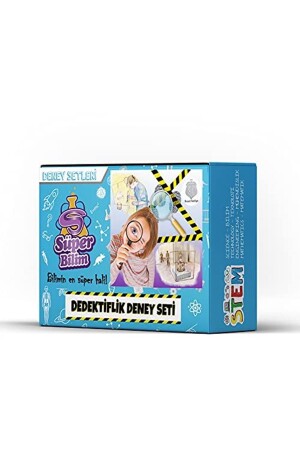
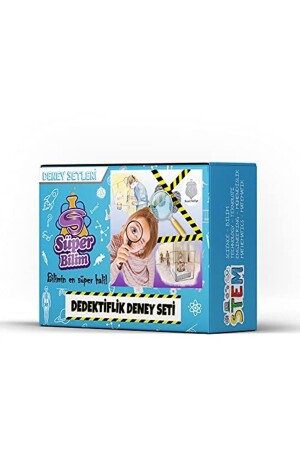
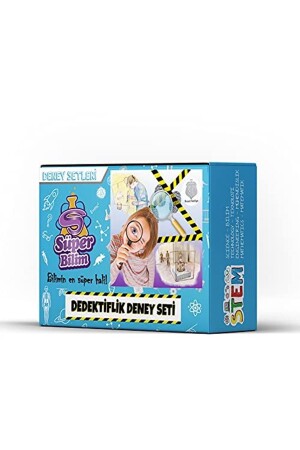
- Detective Experiment Set SBDS0001
Product Code: 622MNZ663696
Barcode: 7435240467437



%60
Discount
EUR154.24
EUR61.70
Show More Süper Bilim
Show More Educational Toys
Featured Information
- Detective Experiment Set SBDS0001
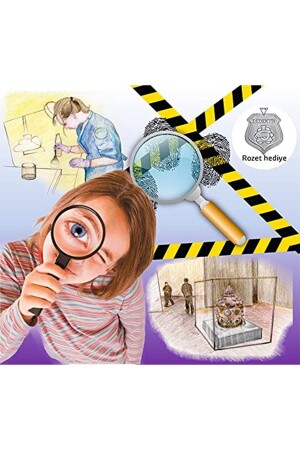
This set is designed for those who want to explore the exciting world of detectives. If you are one of them, you will love this experiment set we have prepared for you. "Forensic science", which has attracted more attention in recent years, is a branch of science that applies advanced methods to reveal the guilty and innocent with sufficient evidence. Forensic science experts benefit from various scientific branches when examining a case. Each scientific branch uses its own different methods in examining events. With this set, you too are stepping into a forensic science adventure. When a valuable artifact is stolen from the museum, you need to take action and identify the culprit. To do this, you must both use your mind and carry out analysis by conducting scientific experiments. You will find almost all the materials you will need in the set. For some experiments you may need to add a few simple ingredients yourself. This detective adventure will be a good opportunity for us to see that science is actually with us everywhere in our lives. Note to parents: This experiment set has been carefully prepared by our expert team with pedagogical formation training, with more than 10 years of experience of Super Science, in order to support the development of children. The materials used are not harmful to children's health. This experiment set is suitable for all children aged 8 and above with adult support. The test spoon, tube stand and rosette included in the set are made of starch-based, health- and environment-friendly, natural biopolymer. EXPERIMENT SET CONTENT: Super Science Detective Badge
Goggles
PRINTED MATERIALS Report file
Suspect card
ANALYSIS MATERIALS Tube stand
shoe print
Magnifying glass
Evidence cloth piece (3 pieces)
Cotton swab (3 pieces)
Test tubes (5 pieces)
(Filled with blood samples*)
Powder evidence samples (5 pieces)
Plastic container (5 pieces)
Powder sample worksheet
CHEMICALS Anti-A reagent
Phenolphthalein solution
Benedict's solution
baking soda solution
Citric acid solution
*A solution that simulates blood to ensure that experiments yield results.
Delivery Information
Shipped within 1-3 business days.
Benzer Ürünler

Son Baktıklarınız