EN − EUR

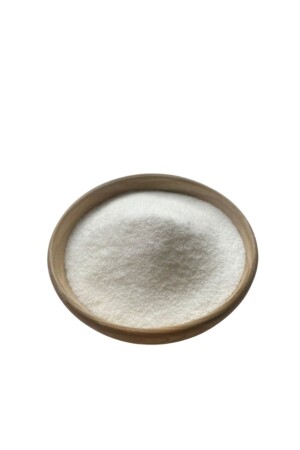
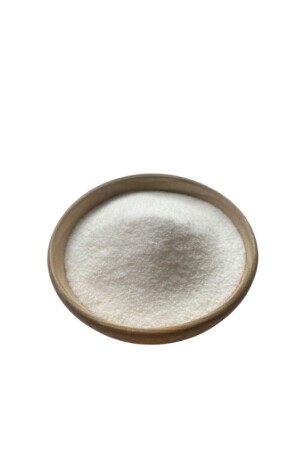
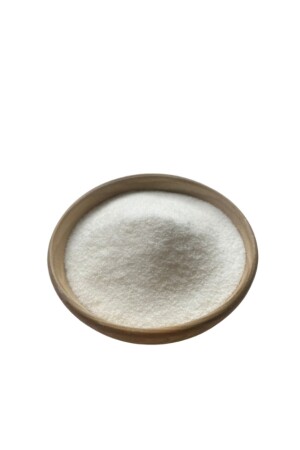
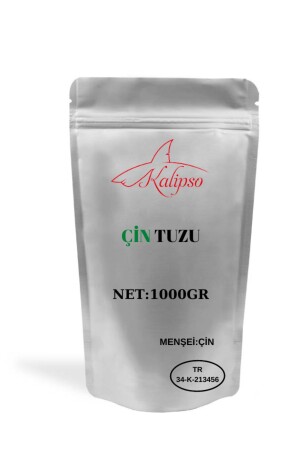
Monosodium Glutamate Msg Chinese Salt 1kg MSGÇ10009
Product Code: 623MNZ868499
Barcode: 7435249038089
%60
Discount
EUR72.56
EUR29.03
Show More kalipso
Show More Gourmet & Organic Products
Featured Information
Monosodium Glutamate Msg Chinese Salt 1kg MSGÇ10009
Before determining the most appropriate amount of use, experiments should be made with minimum amounts, taking into account the restrictions specified in the Turkish Food Codex Food Additives Regulation. Area of Use/Purpose of Sale: For use in food. Technical Information: Monosodium glutamate, abbreviated as MSG, was first found in Japan in the early 1900s and began to be widely used in Japanese and Chinese cuisine. MSG, also known with the code E621, is an additive used to increase flavor consistency in many food products. Other salts formed by glutamic acid have the same effect as MSG. Glutamate adds a taste called "umami" to the food it contains. Scientifically, this taste is considered alongside bitter, salty, sour and sweet. Glutamate is a protein. It is naturally found in most protein-containing foods (red and white meats, seafood). Glutamate is taste limiting. The amount of glutamate is between 0.1% and 0.8% in foods where it is found naturally and in foods where it is used. This is why it is limiting and if it is used more, it will not contribute to the taste and may also cause harmful effects. Monosodium glutamate is a salt. Its chemical formula is C5H8NNaO4, 1 mole of Monosodium glutamate weighs 169.111 kg. It melts at 225°C and is highly soluble in water. MSG consists of the combination of glutamic acid and sodium. Glutamic acid is one of the 20 types of amino acids in protein synthesis. This means that it can be synthesized in our body. It exists in our body in two forms, free and bound. The bound form is when it is found bonded with other amino acids, while the free form is when it is found alone. Dietary glutamate is the energy source used most by the intestines. The intestines also release bound glutamate. The body can synthesize most of this energy source itself. (95-96%) and around 4-5% glutamate are obtained from food. Glutamate is found naturally in bound form in meat, fish, vegetables and grains, and in free form in tomatoes, milk, potatoes, soy sauce and many types of cheese. In addition, it is added to many manufactured foodstuffs due to its pleasant smell, taste and flavor enhancing properties. Commercial production of monosodium glutamate began in 1909. In the past, it was produced by hydrolysis, but later bacterial fermentation began to be used. The bacteria called Corynebacterium Glutamicus is used in this fermentation process, and this process takes place in a liquid environment containing molasses, starch or sugar. During fermentation, bacteria release glutamic acid into the environment. They then go through classical parsing methods. The filtered and purified glutamic acid is converted to Monosodium glutamate with neutralization. Then, after further purification, crystallization and drying processes, it turns into a white powder and becomes ready for use as a flavor enhancer.
Stock is sent in two forms: Crystal and Powder.
Delivery Information
Shipped within 1-3 business days.
Benzer Ürünler



Son Baktıklarınız