EN − EUR

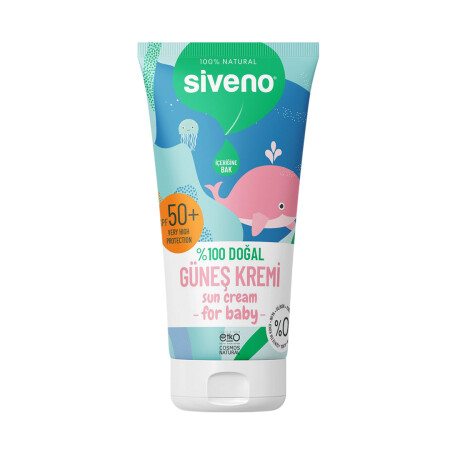
Natural Sunscreen / zonnecrème
Product Code: 864MNZ1891943
Barcode: 6154130967918
EUR21.71
Show More shifaah
Show More Nintendo Games
Featured Information
Natural Sunscreen / zonnecrème
Natural Sunscreen: Natural Protection for Your Skin Enjoy a safe sunbath with the protection offered by nature! Natural sunscreen protects your skin from the sun’s harmful UV rays while also offering the purity and cleanliness of nature. With its natural ingredients, sunscreen provides high protection without damaging your skin. Why Choose Natural Sunscreen? Skin-friendly formula: Chemical-free - suitable for sensitive skin. High protection with Zonnecrème: Allows your skin to breathe while being protected from the harmful effects of the sun. Eco-friendly: Does not harm marine life and is environmentally friendly. Things to Know About Natural Sunscreen Chemical-Free Formula: Natural sunscreens do not contain harmful chemicals such as parabens, phthalates, and SLS. Minimizes the risk of skin irritation or allergies - especially ideal for children and sensitive skin. Mineral Filters: Natural sunscreens usually contain mineral filters such as zinc oxide or titanium dioxide. These mineral filters provide protection by reflecting the sun’s rays before they reach the skin. Unlike chemical sunscreens, they are not absorbed into the skin; they form a protective layer on the surface. Water Resistance: Most natural sunscreens are made with water-resistant formulas, which make them effective in the sea or pool. However, reapplication is recommended after swimming. The Protective Power of Natural Oils: Natural sunscreens can also contain skin-nourishing natural oils such as coconut oil, jojoba oil, and shea butter. These oils moisturize the skin and provide extra protection. Ecological Advantages: Natural sunscreens stand out with their environmentally friendly formulas. They contribute to marine life, especially thanks to their ingredients that do not harm coral reefs. This makes them an ideal choice for nature-friendly vacationers. Using sunscreen—not just in summer—is important to minimize the effects of sunlight on the skin throughout the year. Supporting skin health, especially with natural options like zonnecrème, helps prevent long-term skin damage. SPF Levels and Effects of Natural Sunscreens SPF (Sun Protection Factor): Natural sunscreens generally have protection levels ranging from 15-50 SPF. The SPF level indicates the duration of the sunscreen's protection against UVB rays. For example, a sunscreen with an SPF of 30 protects your skin from approximately 97% of UVB rays. UVA and UVB Protection: The sun emits two main types of light known for their harmful effects on skin: UVA and UVB. Broad-spectrum formulas in natural sunscreens protect your skin against both UVA (which cause aging) and UVB (which cause burns). Usage Recommendations and Tips: Applying a Sufficient Amount: For natural sunscreens to be effective, they need to be applied adequately to the face and body. It is recommended to use one teaspoon for the face and one shot glass (approximately 30 ml) for the body. Apply 20 Minutes Before Sun Exposure: For better protection, apply approximately 20 minutes before sun exposure. This time allows the sunscreen to form a protective layer on the skin's surface. Reapply Regularly: It is recommended to reapply sunscreen every two hours, especially after sweating or swimming. Natural sunscreens, even water-resistant, should be reapplied after prolonged swimming or excessive sweating. Choosing a Natural Sunscreen Based on Your Skin Type: Light Formulas for Oily Skin: Oily skin should choose non-comedogenic sunscreens, meaning they don't clog pores. Moisturizing Creams for Dry Skin: Sunscreens enriched with natural oils are suitable for dry skin. Ingredients such as shea butter, jojoba oil, or almond oil both protect and moisturize the skin. Fragrance-Free and Allergy-Tested Products for Sensitive Skin: Natural sunscreens designed for sensitive skin are generally free of perfumes, dyes, and preservatives. Dermatologically tested products reduce the risk of skin allergies. Click for Wikipedia Click for Organic Products
Delivery Information
Same day shipping. Delivery to your address within 1-3 business days across Europe.
Benzer Ürünler