EN − EUR

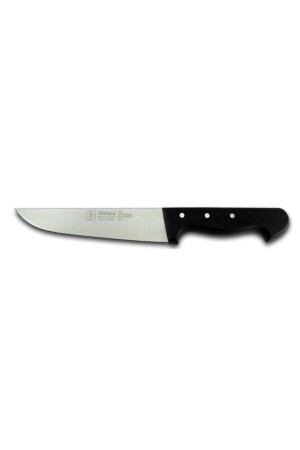
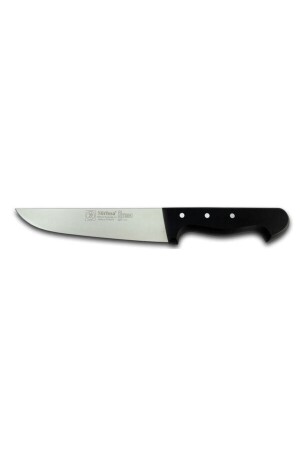
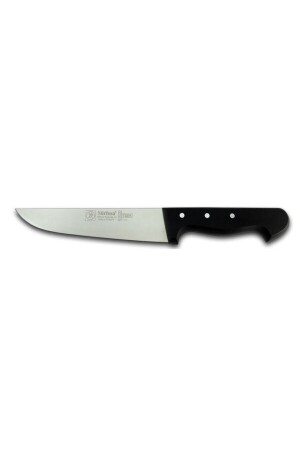
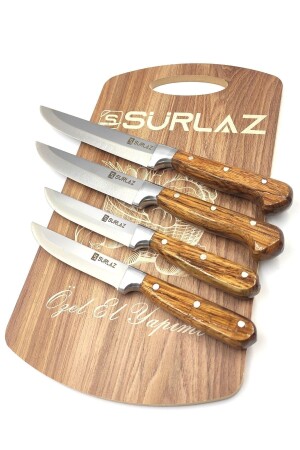
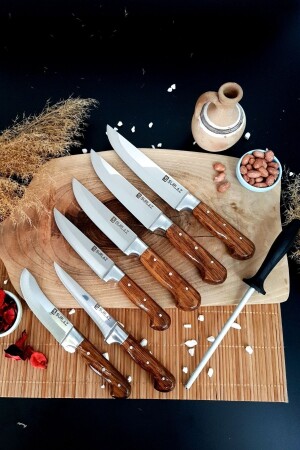
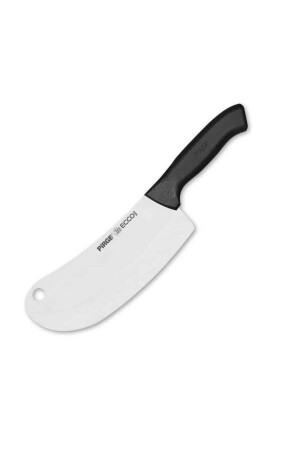
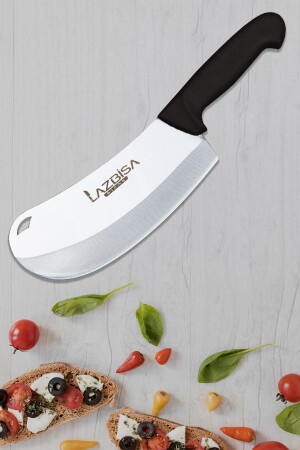
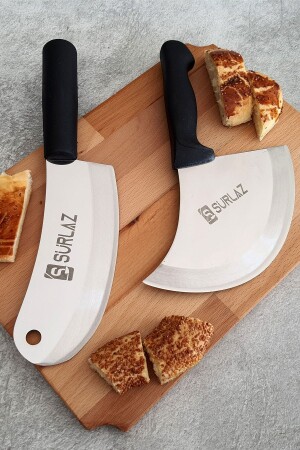
Sürmene 61020 Butcher Knife (LARGE BAKED KNIFE) 17. 0 cm - 3. 0 Mm Pin
Product Code: 755MNZ1475098
Barcode: 6095942034033
%60
Discount
EUR86.18
EUR34.47
Show More Sürbisa
Show More Knives and Knife Sets
Featured Information
Sürmene 61020 Butcher Knife (LARGE BAKED KNIFE) 17. 0 cm - 3. 0 Mm Pin
Kitchen Knife 61020 Surbisa Features of the Knife Length of the Blade: 17 cm Thickness of the Blade: 3mm Steel: T7MO MATTERS TO BE CONSIDERED Absolutely! Do not try to cut or break frozen meat. Never wash your knife in the dishwasher after using it! After using your knife, you should wash it by hand with a wet sponge and store it dry. You should be careful not to wash the knives under high temperatures or with heavy cleaning chemicals. (High temperatures and heavy cleaning chemicals cause the blade and handle to deteriorate.) Do not hit or try to cut your knife on bones or similar hard surfaces. When your knives become dull, they must be sharpened by expert knife sharpeners. Sharpening with the usual large wheel stones causes your knife to burn and the steel to lose its hardness. Please choose conscious and experienced sharpeners. The biggest reason why your knife becomes dull quickly is the surfaces you cut on. We recommend that you do not cut on hard surfaces. (Stone concrete floors - marble floors - glazed floors etc.) Using polyethylene cutting sheets with TSE certificate for the cutting surface will both extend the life of your blades and provide the highest level of hygiene. Never use your knives to open cans, open screws or puncture hard surfaces. Knives are produced in such a way that you can get the highest level of efficiency for food chopping-peeling and similar tasks. Using it for purposes other than its intended purpose may render your knife unusable and cause injury. CLEANING After you finish working with your knife, we recommend you wash it with warm soapy water and dry it with a dry towel. Many food items contain acid (fruits, vegetables, meat, etc.). Food particles remaining on your knife will corrode your knife and may cause these worn parts to oxidize or even rust. Please hand wash the knives and keep them dry.
Delivery Information
Shipped within 1-3 business days.
Benzer Ürünler