DE − EUR

Mein Konto
Warenkorb
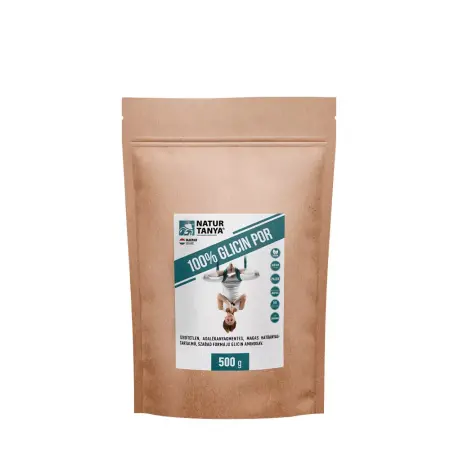
Natur Tanya 100% Glycine Amino Acid (500 g)
Produktcode: 874MNZ2375417
EAN: 5999565082178
EUR16.70
Mehr Natur Tanya
Mehr Aminosäure
WITHOUT ADDITIVES Additive-free, low molecular weight glycine amino acid, in powder form. VeganVegetarianAdditive-free, low molecular weight glycine amino acid in powder form. Glycine has long been the subject of anti-ageing research and plays a role in the functioning of organ systems and many important biochemical processes. Its consumption is particularly recommended as a supplement to restful sleep, for people with stressful lifestyles, athletes, dieters and diabetics. It has a pleasant sweet taste and is also used in the kitchen as a sugar substitute.Unflavoured, additive-freeHigh in active ingredientsFree from glycine amino acidVegan productSuitable for dietary and paleo dietsSafe for long-term use from 3 years of age5000 mg glycine per serving500 grams, up to 100 servings WHAT IS GLYCINE?Glycine is the second most abundant amino acid in enzymes and proteins and is therefore found in almost every part of our body. Glycine receptors are found throughout the nervous system, brain and spinal cord. Glycine acts as both an inhibitory and stimulatory neurotransmitter.Glycine is essential for the production of glutathione, creatine and collagen, and helps synthesise proteins needed to maintain tissues and hormones. It plays an important role in the biosynthesis of haem (part of haemoglobin in red blood cells), DNA and RNA. 35% OF COLLAGEN IS GLYCINEThe amino acid glycine is a vegan collagen booster, 35% of collagen is glycine and dietary fortification of glycine promotes collagen synthesis in the body, while glycine residues create the triple helix of collagen.Glycine can be produced by the body at a rate of approximately 3 g per day, with 1.5-3 g per day being consumed in the diet. Of this, 3 g is required to produce the antioxidant glutathione and creatine, but the remaining 3 g is not enough to meet the 10 g per day requirement for collagen synthesis and is therefore considered a semi-essential nutrient.Glycine is increasingly excreted from the body in diabetes and the glycine requirement of athletes is higher than average. Therefore, 5-10 g of glycine per day in supplement form is considered safe.Glycine is used by the body in a variety of physiological processes, such as protein synthesis, neurotransmission, methylation, collagen production, antioxidant glutathione and creatine production, detoxification, muscle health, metabolism, immune support and gut health. GLYCINE, RELAXATION AND SLEEPGlycine acts as both an inhibitory and stimulatory neurotransmitter. It can both stimulate and inhibit cells in the brain and central nervous system.Glycine increases serotonin levels, which has a complex relationship with relaxation. On the one hand, serotonin reduces the symptoms of insomnia and improves sleep quality. Serotonin is also needed to produce melatonin, which plays a key role in sleep.Glycine also increases blood flow to the extremities, thus reducing body temperature. Body heat not only helps the body to fall asleep initially, but also affects sleep-wake cycles.In human trials, consuming 3 grams of glycine before bedtime helped reduce sleep time, increased the time spent in restful, slow-wave sleep, or deep sleep, improved sleep quality, reduced daytime sleepiness and improved cognitive functions such as memory, concentration and behaviour the next day. Thus, glycine can be a natural alternative to improve sleep quality and reduce daytime fatigue. GLYCINE AND MITOCHONDRIAL EPIGENETICSGlycine has long been the subject of research on anti-ageing and longevity, investigating mitochondrial and epigenetic changes in cells. Glycine is involved in the production of nucleic acids (DNA and RNA) required for gene expression, cell development and replication.Glycine has epigenetic effects, the epigenome determines which genes are turned on or off. Mitochondria are small parts of our cells that produce energy, but they also have their own DNA - genes. Glycine can affect the gene expression (on and off) of these mitochondrial genes.One way that glycine can extend lifespan is by reducing the concentration of methionine in the blood. Glycine binds methyl groups and in this way can remove excess methionine. Too much methionine is not healthy because it turns into homocysteine. This substance is associated with accelerated ageing and age-related disorders. GLUTATHIONE AND GLYCINEGlycine helps to form glutathione. Glutathione is one of the body's most powerful antioxidants, protecting the body from cell damage.Without glycine, the body produces less glutathione, making it harder for the body to fight oxidative stress. As glutathione levels decline with age, glycine supplementation can be beneficial to maintain good health. SPORT, CREATINE AND GLYCINEThe protein content of glycine helps to increase and maintain muscle mass. Glycine is one of the amino acids that build creatine, which provides energy to muscles.It gives a boost of energy for fast and short movements such as weightlifting or sprinting. When combined w
Lieferinformationen
1-3 iş günü içerisinde kargoya verilir.
Unsere Empfehlungen für dich
Son Baktıklarınız